 English
 Mandarin
 French
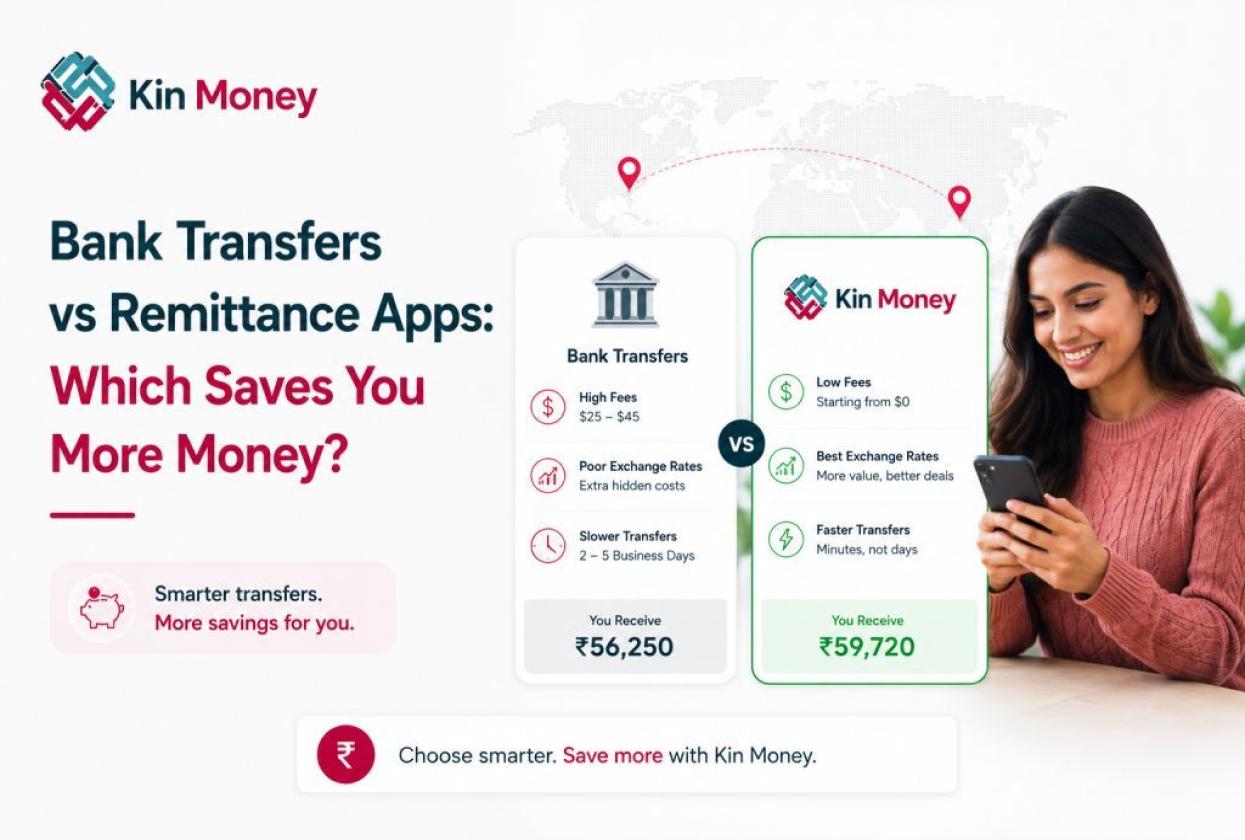
When sending money internationally, one of the biggest questions people ask is:
Should you use a traditional bank transfer or a digital remittance app?
Both options allow you to send money abroad, but the costs, speed, convenience, and overall experience can be very different.
For families, students, workers, and businesses sending money internationally, choosing the right transfer method can save significant money over time.
In this guide, we’ll compare traditional bank transfers and modern remittance apps to help you understand which option provides better value.
What Is a Traditional Bank Transfer?
A traditional bank transfer allows users to send money internationally through their bank.
Banks typically use international payment networks and intermediary financial institutions to move funds across borders.
Bank transfers are commonly used for:
Large international payments
Business transactions
Tuition payments
International account transfers
While banks are widely trusted, international transfers through banks can sometimes be:
Expensive
Slow
Less transparent
Difficult to track
What Are Remittance Apps?
Remittance apps are digital platforms designed specifically for international money transfers.
These apps allow users to:
Send money online
Transfer funds through smartphones
Track payments in real time
Access faster delivery options
Modern remittance apps focus on:
Convenience
Lower fees
Better exchange rates
Faster processing
User-friendly experiences
Many people now prefer digital remittance apps because they simplify global payments significantly.
Comparing Transfer Fees
One major difference between banks and remittance apps is cost.
Traditional banks often charge:
Transfer fees
Receiving bank fees
Intermediary bank fees
Currency conversion margins
These combined costs can reduce the amount your recipient receives.
Remittance apps often provide:
Lower fees
Transparent pricing
Competitive exchange rates
Clear transaction estimates
For example:
A bank may charge:
Transfer fee
Additional exchange rate markup
While a remittance app may charge:
Lower fixed fee
Better currency conversion
Over multiple transactions, these savings can become substantial.
Exchange Rates Matter More Than Many People Realize
Exchange rates directly affect the final amount delivered to recipients.
For example:
If the market exchange rate is:
1 USD=1500 NGN1\ \text{USD} = 1500\ \text{NGN}1 USD=1500 NGN
A traditional bank might offer:
1 USD=1430 NGN1\ \text{USD} = 1430\ \text{NGN}1 USD=1430 NGN
While a remittance app may offer:
1 USD=1490 NGN1\ \text{USD} = 1490\ \text{NGN}1 USD=1490 NGN
That difference can significantly affect larger transfers.
Many remittance apps are designed to provide more competitive exchange rates than traditional banks.
Transfer Speed Comparison
Transfer speed is another major factor.
Traditional bank transfers can sometimes take:
2–5 business days
Longer during weekends or holidays
Additional time due to intermediary processing
Remittance apps often provide:
Instant transfers
Same-day delivery
Faster payment processing
Real-time updates
For urgent family support or emergencies, speed can make a major difference.
Transparency and Tracking
Traditional banking systems may not always provide clear visibility into:
Transfer progress
Delivery timelines
Hidden deductions
Exchange rate calculations
Modern remittance apps typically offer:
Real-time tracking
Delivery notifications
Transparent pricing
Instant transaction updates
Users appreciate knowing exactly where their money is during the transfer process.
Convenience and Accessibility
Bank transfers often require:
Physical branch visits
Banking paperwork
Longer processing procedures
Remittance apps allow users to:
Send money anytime
Use smartphones or computers
Complete transfers within minutes
Access customer support online
This convenience is especially useful for:
Busy professionals
International students
Migrant workers
Families managing frequent transfers
Digital financial technology has made international payments much easier.
Security and Reliability
Both banks and trusted remittance apps prioritize security.
Reliable remittance platforms use:
Encryption technology
Fraud monitoring
Secure payment gateways
Identity verification systems
Banks also provide strong security infrastructure, but many modern remittance apps now offer equally advanced protection systems.
The key is choosing licensed and reputable providers.
Which Option Saves More Money?
In many cases, remittance apps provide better overall value because they offer:
Lower fees
Better exchange rates
Faster delivery
Greater transparency
Easier access
However, traditional banks may still be useful for:
Very large business transactions
Specialized financial services
Existing banking relationships
The best option depends on:
Transfer amount
Destination country
Delivery urgency
Exchange rate quality
Total transfer cost
Always compare:
Fees
Exchange rates
Delivery times
Final recipient amount
Before sending money internationally.
Why More People Are Switching to Remittance Apps
The growth of financial technology has transformed global money transfers.
More users are moving toward remittance apps because they provide:
Faster experiences
Mobile convenience
Better pricing
Improved transparency
Reliable customer support
Digital remittance platforms are becoming the preferred choice for international payments worldwide.
Final Thoughts
Both traditional bank transfers and remittance apps can help users send money internationally, but the costs and experience can vary significantly.
For many users, remittance apps offer:
Better exchange rates
Lower fees
Faster processing
More convenience
Real-time tracking
Before making your next international transfer, compare all costs carefully — especially exchange rates and hidden fees.
Choosing the right transfer method can help your loved ones receive more money while saving you time, stress, and unnecessary expenses.
Kin Money
Ready to send money globally?
Start a secure international transfer with confidence.